- Format
- Capsules
- Label instructions
- 4 capsules per serving; manufacturer instructions allow 1–2 servings/day
- Inositol per serving
- 2,000 mg myo-inositol + 50 mg D-chiro-inositol
- Approx. daily cost
- $0.93–$1.86/day · 1–2 labelled servings/day · checked October 12, 2026
- Quality source
- NSF certification directory
Compare inositol for PCOS.
Compare ingredients, daily costs and quality information. Understand what the research does—and doesn’t—show.
Three inositol formulas at a glance
Formats, labelled amounts, daily costs and quality sources.
- Format
- Unflavoured powder
- Label instructions
- 1 scoop or packet per serving; manufacturer directs 2 servings/day
- Inositol per serving
- 2,000 mg myo-inositol + 50 mg D-chiro-inositol
- Approx. daily cost
- $0.96/day · 2 labelled servings/day · checked October 12, 2026
- Quality source
- NSF certification directory
- Format
- Capsules
- Label instructions
- 4 capsules daily / 1 serving
- Inositol per serving
- 2,000 mg myo-inositol + 50 mg D-chiro-inositol
- Approx. daily cost
- $0.83/day · 1 labelled serving/day · checked October 12, 2026
- Quality source
- Manufacturer information


US prices in USD, excluding shipping and tax. Daily amounts differ; compare equivalent quantities. Products are not ranked by clinical effectiveness.
Read before you choose
All guides
Best Inositol for PCOS: 5 Formulas, Costs and Evidence
Compare five inositol formulas for PCOS with verified labels, NSF checks, October 2026 US prices and clear criteria for choosing a format.

What Does a 40:1 Inositol Ratio Mean? Amounts and Evidence
Learn how to read a 40:1 myo-inositol to D-chiro ratio, compare actual amounts and distinguish a formulation detail from evidence of clinical benefit.

Inositol Powder vs Capsules: Cost, Labels and Convenience
Compare inositol powder and capsules by formula, preparation, labelled daily amounts and cost, without assuming better absorption from either format.
How we compare
Researched by the Eco Hormone Balance Editorial Team. Our reviews are desk research, not independent laboratory testing.
Read our editorial method- Evidence & label amounts
- We separate study findings from product claims and compare the stated amounts per serving.
- Quality information
- We look for traceable testing and manufacturing sources, and identify what we cannot verify.
- Cost & daily routine
- Powder or capsules, serving burden, added ingredients and dated prices all affect practical fit.
- Safety & uncertainty
- Discuss supplements with a qualified clinician during pregnancy, fertility treatment or when taking medication. Read the disclaimer.
What the evidence can tell you
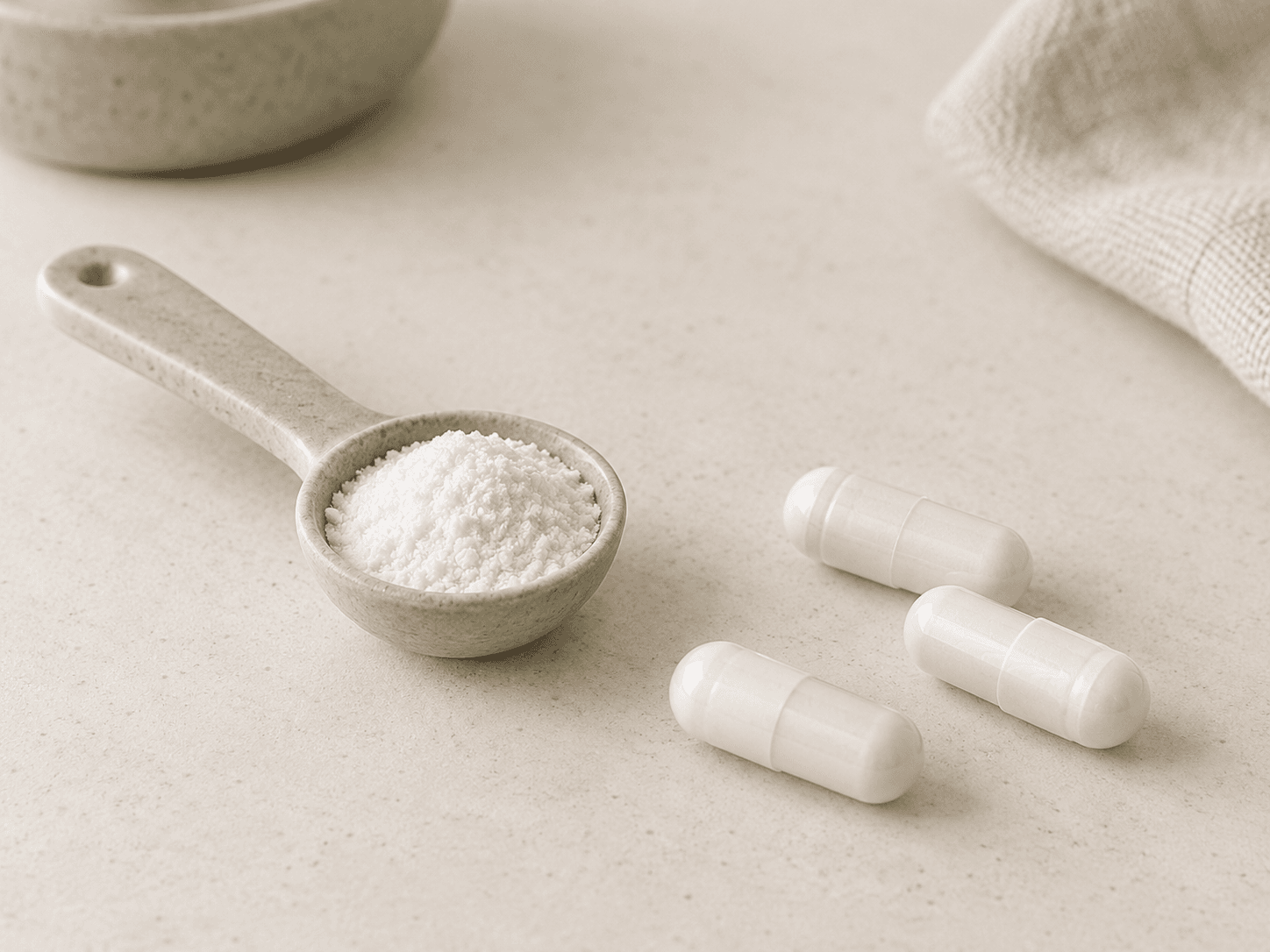
Inositol is involved in cell signalling. Myo-inositol and D-chiro-inositol are sold alone or together as powders and capsules.
A 40:1 formula is common, but PCOS guidance does not establish one type, dose or combination as best for everyone. A supplement label is not evidence that the product itself improves fertility.
Understand inositol and its limitsYou may also see the newer name polyendocrine metabolic ovarian syndrome (PMOS). We retain PCOS in existing guides so they remain easy to find. See the international guideline programme.
Common questions
What is inositol, and what may it help with in PCOS?
Inositol is a nutrient-like compound found in the body and in some supplements. Studies in PCOS report possible changes in selected metabolic or cycle-related outcomes, but current guidance does not establish a universal product, ratio, dose, or fertility benefit.
Is a 40:1 inositol ratio proven to be the best?
A 40:1 myo-inositol-to-d-chiro-inositol ratio is common and has been studied, but it has not been established as the best option for everyone. Compare the exact amounts, added ingredients, quality information, cost, and any clinician advice rather than relying on the ratio alone.
How long do studies usually measure inositol outcomes?
Research commonly measures different outcomes over several weeks to several months. That is a study window, not a promise or a deadline: response is uncertain, and fertility outcomes do not have a proven inositol timeline.
How do you compare supplement products?
We compare label amounts and forms, daily capsule or scoop burden, added nutrients, quality verification, price per labelled serving, manufacturer transparency, and the strength and limits of the evidence. Affiliate commission does not decide which products we include or how we describe them.
How does Eco Hormone Balance make money?
We do not sell supplements directly. Some product links are affiliate links, which means we may earn a commission if you buy through them, at no extra cost to you. That commercial relationship is disclosed near relevant links.
Is this medical advice, and who reviews the content?
No. Our articles are educational and evidence-informed, not individualized medical advice. The Eco Hormone Balance Editorial Team researches and reviews content using published evidence, current product labels, and a documented methodology. Editorial Policy documents our standards.
Brands we’ve reviewed
All reviewed brandsBrowse reviewed brands. Inclusion does not imply a partnership or endorsement.






Compare brands side by side
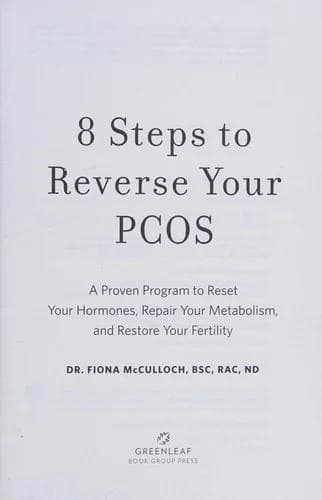
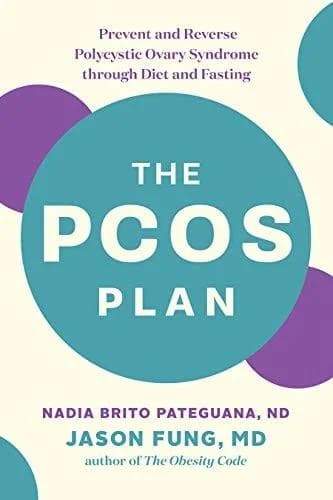
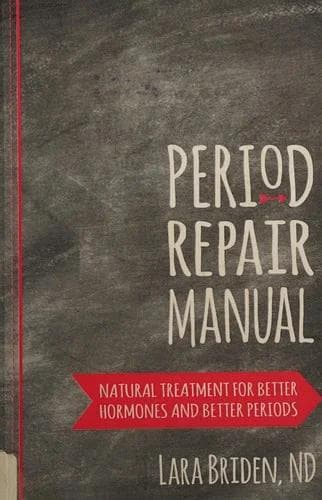
Books on PCOS, nutrition and fertility
Explore our reading list, with notes on each book and links to related guides.
Browse the book library